
The Art of Space: How Architecture Shapes Human Experience
By Magnus Patel · · 6 min read
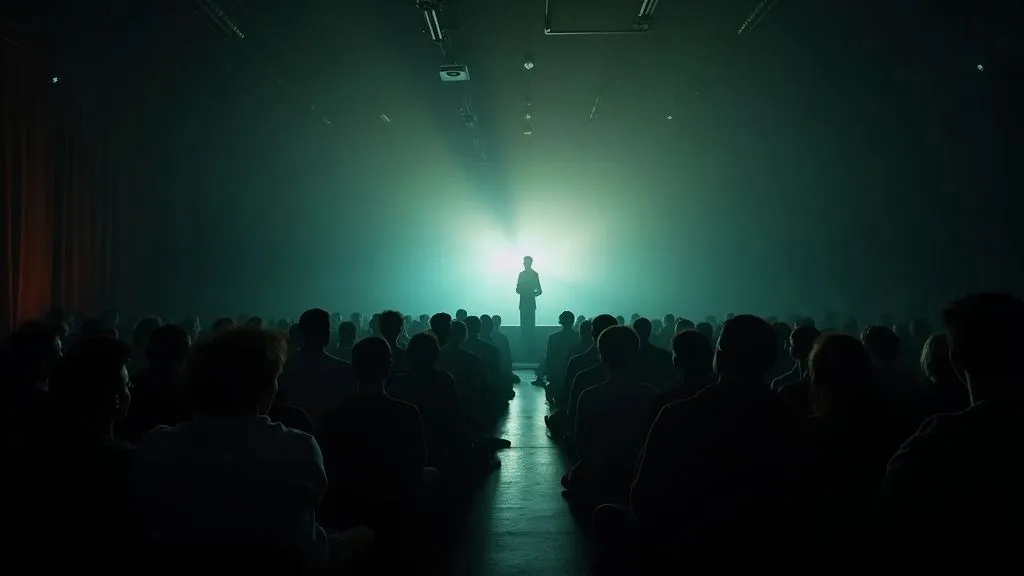
Architecture is not just about constructing buildings; it’s a profound expression of culture, society, and humanity itself. The interplay between architecture and human experience can be both subtle and overt, affecting how we interact with our surroundings and each other. In this exploration, we will dissect how architectural design influences our emotions, behaviors, and overall quality of life.
The Emotional Resonance of Space
From ancient cathedrals to modern skyscrapers, the emotional resonance of architecture has always been a focal point of discussion among architects and psychologists alike. Buildings can invoke feelings of awe, comfort, and even unease. The mere presence of space can affect our moods and behaviors.
The Psychology of Architectural Design
Renowned architectural psychologist, Dr. David Canter, explored how different environments impact human behavior. His research offers invaluable insights into how architectural elements can elicit emotional responses. For instance, the high ceilings of cathedrals can evoke feelings of transcendence, while cramped hallways may lead to discomfort and anxiety.
A study published in the Journal of Environmental Psychology found that exposure to natural light in office spaces significantly boosts morale and productivity. It concluded that employees in well-lit environments reported a 15% increase in well-being compared to those in artificially lit offices. This clearly emphasizes how crucial design considerations are in enhancing our daily lives.
Case Study: The Guggenheim Museum
Frank Lloyd Wright’s Guggenheim Museum in New York serves as a prime example of architecture that profoundly influences human experience. The museum’s spiraling ramp encourages a non-linear exploration of art, allowing visitors to experience the exhibits at their own pace. This unique design fosters a sense of discovery and engagement, encouraging visitors to interact with art in a more meaningful way.
The Impact of Materials on Interaction
The materials we choose in architecture can have a significant effect on our experiences within a space. Texture, color, and temperature all contribute to the emotional atmosphere of environments.
Natural vs. Artificial Materials
Natural materials such as wood and stone are often more comforting and inviting than their artificial counterparts. A survey by the Royal Institute of British Architects (RIBA) revealed that 70% of respondents felt happier in spaces with wooden elements compared to those with steel or concrete.
Conversely, the starkness of concrete structures can lead to feelings of isolation. Buildings like Brutalist architecture, while valued for their bold aesthetic, often receive criticism for their oppressive and sterile environments. The tension between material choice and human experience is palpable in these contexts, shaping our interactions with spaces.
Color and Light: The Language of Architecture
Color and light play crucial roles in shaping our experiences. Research indicates that warm colors like red and orange can increase energy levels, while cooler tones like blue and green promote calmness.
- Warm Colors: Stimulate sensations and encourage social interaction.
- Cool Colors: Foster tranquility and focus.
Incorporating color theory into architectural design can lead to spaces that not only serve their functional purpose but also enhance emotional well-being. The significance of light is equally vital; spaces that maximize natural light exposure can lead to happier, healthier inhabitants.
The Social Fabric of Architecture
Architecture is inherently linked to social interactions. Public spaces play a critical role in fostering community bonds, while personal spaces can influence family dynamics and relationships.
Urban Design and Community Engagement
Urban planners are now more than ever recognizing the necessity of integrating social spaces into cities. Parks, plazas, and communal areas provide vital opportunities for social interaction. The Project for Public Spaces emphasizes the concept of “placemaking,” which encourages the design of public spaces that foster a sense of belonging and community.
- Case Study: High Line Park, New York: This elevated park transformed an abandoned railway into a bustling public space, showcasing the power of architecture in revitalizing urban areas and enhancing community engagement.
Personal Spaces: The Architecture of Home
Conversely, the architecture of personal residences can significantly affect family dynamics. Open floor plans might promote interaction and collaboration among family members, while segmented spaces can lead to isolation. According to research from the American Psychological Association, homes designed with communal areas encourage family bonding and foster stronger relationships.
The Future of Architecture: Designing for Well-Being
As we look toward the future, the focus on human experience is shaping architectural trends. The integration of sustainability, technology, and well-being is paramount in the design of tomorrow’s buildings.
Biophilic Design: Nature’s Influence on Architecture
Biophilic design emphasizes the human connection to nature. Incorporating elements such as indoor plants, natural lighting, and water features has been shown to reduce stress and enhance cognitive function. A landmark study by the University of Technology in Sydney highlighted that individuals in biophilic environments reported a 15% boost in productivity and a 20% reduction in stress levels.
Smart Design: Technology Meets Human Experience
The rise of smart buildings—structures equipped with advanced technology that respond to the needs of their occupants—promises to revolutionize our experience of architecture. Systems that adapt lighting, temperature, and even sound can create environments that enhance comfort and productivity.
- Smart Technology in Action: Consider a building that adjusts its windows according to the sun’s position, optimizing natural light while minimizing heat. This not only increases energy efficiency but also enhances occupant comfort.
The Role of Sustainability in Well-Being
Sustainable architecture focuses not only on energy efficiency but also on creating healthy environments. The World Health Organization (WHO) has reported that indoor air quality can significantly influence health outcomes. Sustainable materials and design strategies that improve ventilation and reduce toxins can enhance the inhabitant’s quality of life.
Designing for Inclusivity and Accessibility
Architecture must consider inclusivity. Spaces designed for accessibility facilitate equal participation in public life for all individuals. The Americans with Disabilities Act (ADA) has set standards for accessible design, ensuring that everyone, regardless of ability, can experience the built environment fully.
Expert Insights: A Collective Vision
To further understand how architecture shapes human experience, we reached out to a variety of experts in the field. Their insights shed light on the importance of holistic design that considers not only aesthetic appeal but human psychology and social interaction.
-
Professor Sarah Williams, Architect: “Architecture isn’t just about aesthetics. It’s about creating environments that resonate with people, enhance their lives, and cater to their needs.”
-
Dr. Robert C. Morgan, Environmental Psychologist: “When we understand the psychological impacts of architecture, we can create spaces that not only exist but thrive. The human element must always be at the forefront of design.”
-
Linda Brown, Urban Planner: “The city is an organism. Public spaces breathe life into communities. Architects must prioritize designing spaces that foster connection.”
These perspectives emphasize the collaborative nature of architecture, where designers, psychologists, and urban planners work together to enhance human experiences through built environments.
Conclusion: Architecture as a Catalyst for Human Experience
As we have explored, architecture is an intricate dance between space, material, and human experience. By understanding the psychological and emotional impacts of design, we can create environments that elevate our lives.
The future of architecture lies in prioritizing well-being, fostering social interactions, and harmonizing with the natural world. By embracing these principles, architects and designers can transform the way we experience our built environments—creating spaces that resonate, inspire, and ultimately enhance the human experience.
The journey of architecture is not just about shaping buildings; it’s about shaping lives. Let’s continue to build for a future that values human connection and well-being.
As we forge ahead, may the walls we construct resonate with laughter, love, and life.